
The region where you eat, and that is not a figure of speech
Parmesan, ham, balsamic vinegar, fresh pasta and piadina: here everything has a precise place and a boundary.
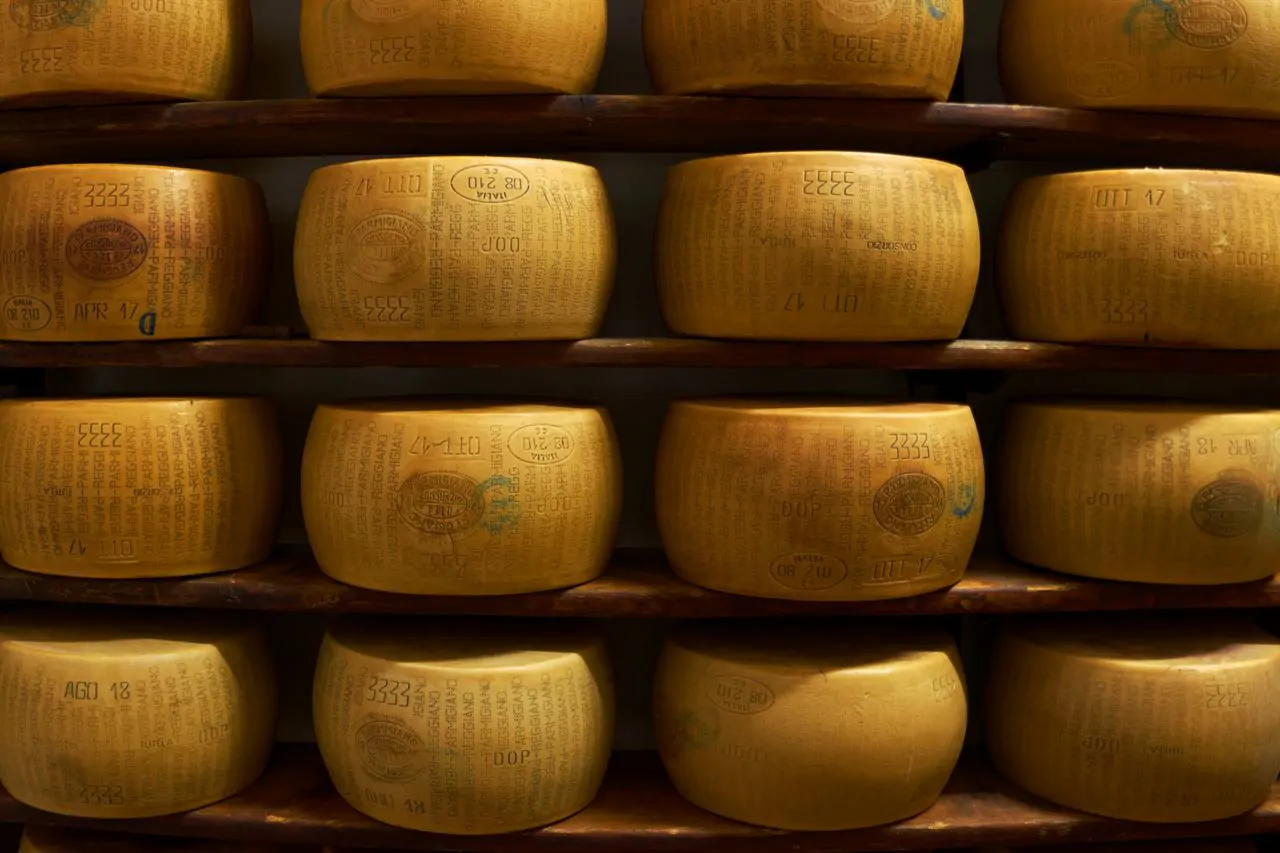
In Emilia Romagna almost everything you eat has a set of rules behind it, and those rules always begin with a sentence about the territory. It is not red tape: it is the reason the same cheese made twenty kilometres further on goes by another name. It is worth knowing, because it changes where you should stop to buy.
The cheese and the ham
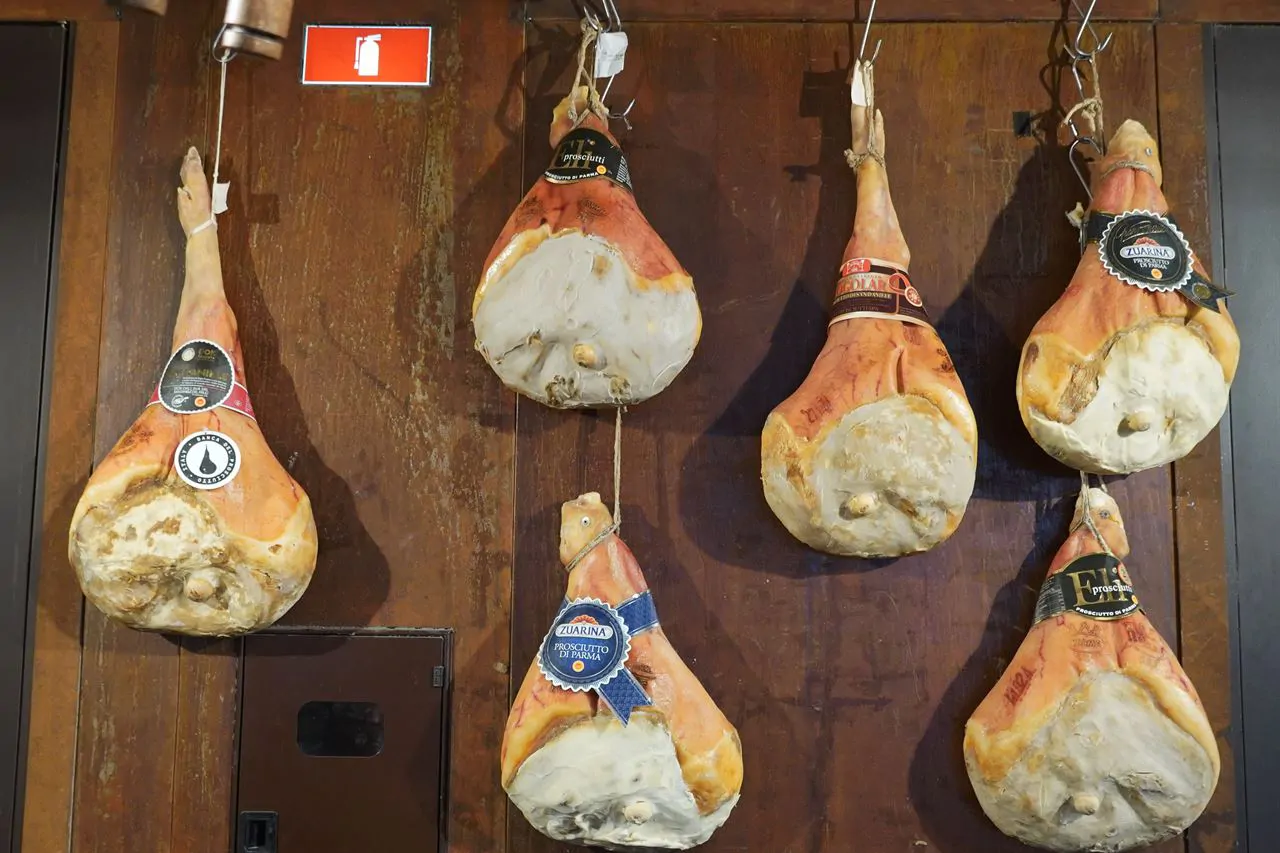
Parmigiano Reggiano is made only in the provinces of Parma, Reggio Emilia, Modena and Bologna west of the Reno, plus part of the Mantua area. The dairies work early in the morning and many let you watch the vat: you start at seven and by nine you are out with a vacuum-packed wedge. Parma ham, on the other hand, is cured in the hills between Langhirano and Lesignano, where the air is right, while culatello belongs to the damp lowland instead, around Zibello.
The pasta
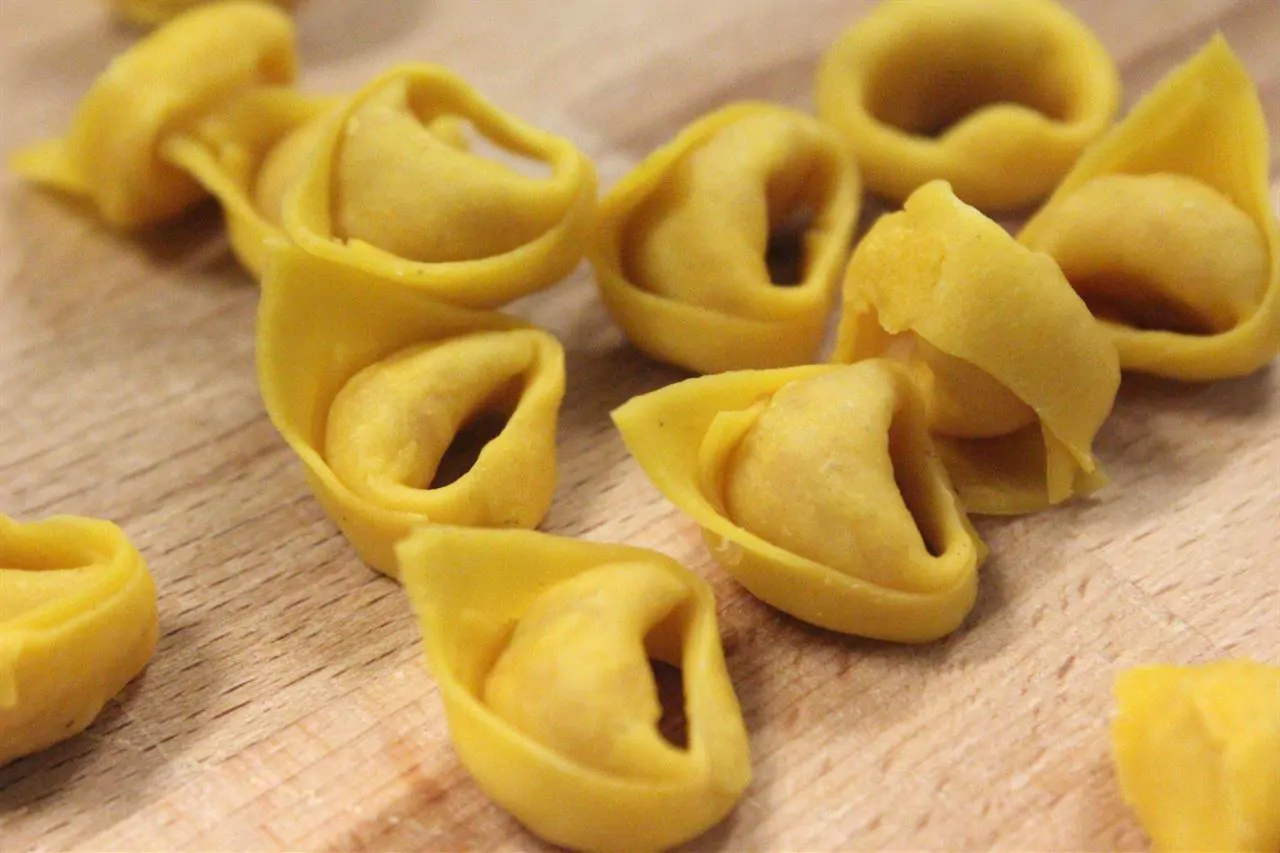
From Modena eastwards begins the land of hand-rolled pasta: tortellini in broth, tagliatelle with ragu, lasagne, ricotta tortelloni, and in Romagna cappelletti, which are something else again. The unwritten rule is that ragu does not go on spaghetti and that tortellini are eaten in broth. Arguing about it with the locals is a regional sport.
Piadina, which is takeaway
In Romagna people eat piadina and buy it from a kiosk: it is the most practical meal there is for anyone camping. Thin and crisp around Rimini, thicker and softer towards Forli and Cesena. With squacquerone cheese and rocket is the classic version.
To drink
Lambrusco comes from Modena and Reggio, is drunk cold and sparkling and goes with cured meats better than its reputation suggests. The Piacenza hills produce Gutturnio and Ortrugo; Romagna has Sangiovese and Albana, the first Italian white to be awarded the guaranteed denomination. Traditional balsamic vinegar, the kind aged in a battery of casks, is a different product from the supermarket sort: you taste it a drop at a time.